
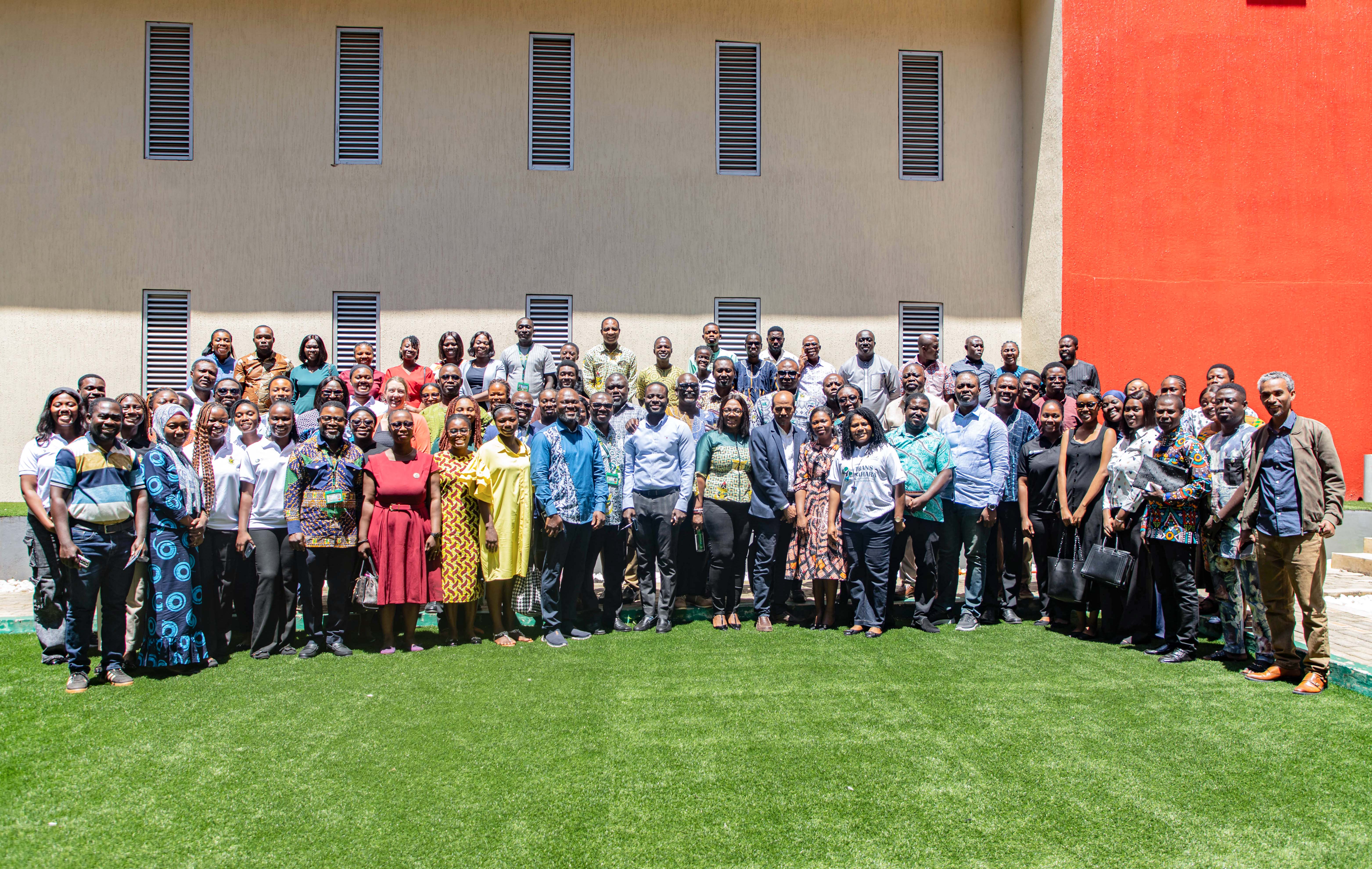
The Kwame Nkrumah University of Science and Technology, Kumasi (KNUST) in collaboration with the Periodic Table of Food Initiative (PTFI), is pushing for the development of a nationally owned food composition database to provide reliable data on foods grown and consumed in Ghana.
The initiative was the focus of a stakeholder workshop held at KNUST under the theme, “Leading Ghana’s National Food Composition Database: From Sample to Data to Policy.”
The workshop brought together researchers, regulators, policymakers, industry representatives, development partners and other stakeholders from the food, nutrition, agriculture, environmental and public health sectors to discuss how locally generated food composition data could support evidence-based decision-making.
Speaking on behalf of the Vice-Chancellor, Professor Kwadwo Mensah-Darkwa of the Department of Materials and Metallurgical Engineering said a national food composition database was essential because much of the data currently used in Ghana was based on foods grown under different soil and environmental conditions.
He said Ghana’s diverse indigenous foods required proper characterisation of their nutritional and molecular composition.
“When our data is thin and borrowed, our standards rest on assumptions, our dietary guidance is less precise,” he said.
Prof. Mensah-Darkwa said the PTFI Centres of Excellence were helping African scientists and laboratories analyse local foods while strengthening expertise, equipment, analytical methods and human resource capacity.
He said the evidence generated must ultimately become a trusted national resource for regulators, policymakers, industry and other stakeholders.

The PTFI Lead Principal Investigator, Professor Reginald Annan, said food was far more complex than commonly understood, with significant gaps remaining in knowledge about its composition.
He said PTFI went beyond identifying nutrients in food to examining factors that influence its composition, including variety, source, production environment, soil conditions and the handling of food samples.
“There’s so much yet to know about food. Yet, it’s something we do all the time, we eat all the time, and we expect that it promotes our health and our nutrition. And this is why the Periodic Table of Food Initiative is important,” Professor Annan said.
Professor Annan highlighted the PTFI Soil Health Project, which examines how soil characteristics influence the composition of foods grown in different environments, including mining and non-mining areas.
He said KNUST, as one of the PTFI Centres of Excellence in Africa, had established a metabolomics laboratory and was contributing to the development of standardised food composition data.
“What we have now, what we can demonstrate, is a capability to lead an international food composition database development,” he said.
Professor Charles Apprey, Co-Principal Investigator of the PTFI Centre of Excellence at KNUST, said Ghanaian crops and foods were central to the country’s heritage, nutrition, economy and public health.
He said Ghana had long relied on incomplete food composition data or data from other regions, creating gaps in understanding the nutritional composition of locally grown and consumed foods. KNUST researchers, he said, were working to harmonise and analyse food crops to generate reliable scientific data.
“Data alone is not enough. The ultimate goal is to inform policy and improve health,” he said.
Prof. Apprey stressed the need for collaboration among researchers, regulators, policymakers, industry and civil society.
“We need to move beyond generating data for academic purposes and ask how regulators and policymakers can actually use that data,” he said.
The Global Director of PTFI, Dr Julian Pavich, said 41 laboratories in 22 countries had been onboarded to the initiative’s multi-omics methods, including metabolomics, lipidomics, ionomics and glycomics.
She said the initiative also collected metadata on food production, including agricultural practices, soil and climatic conditions.
“We are not only interested in what is in the food; we are also interested in understanding how that food was produced,” she said.
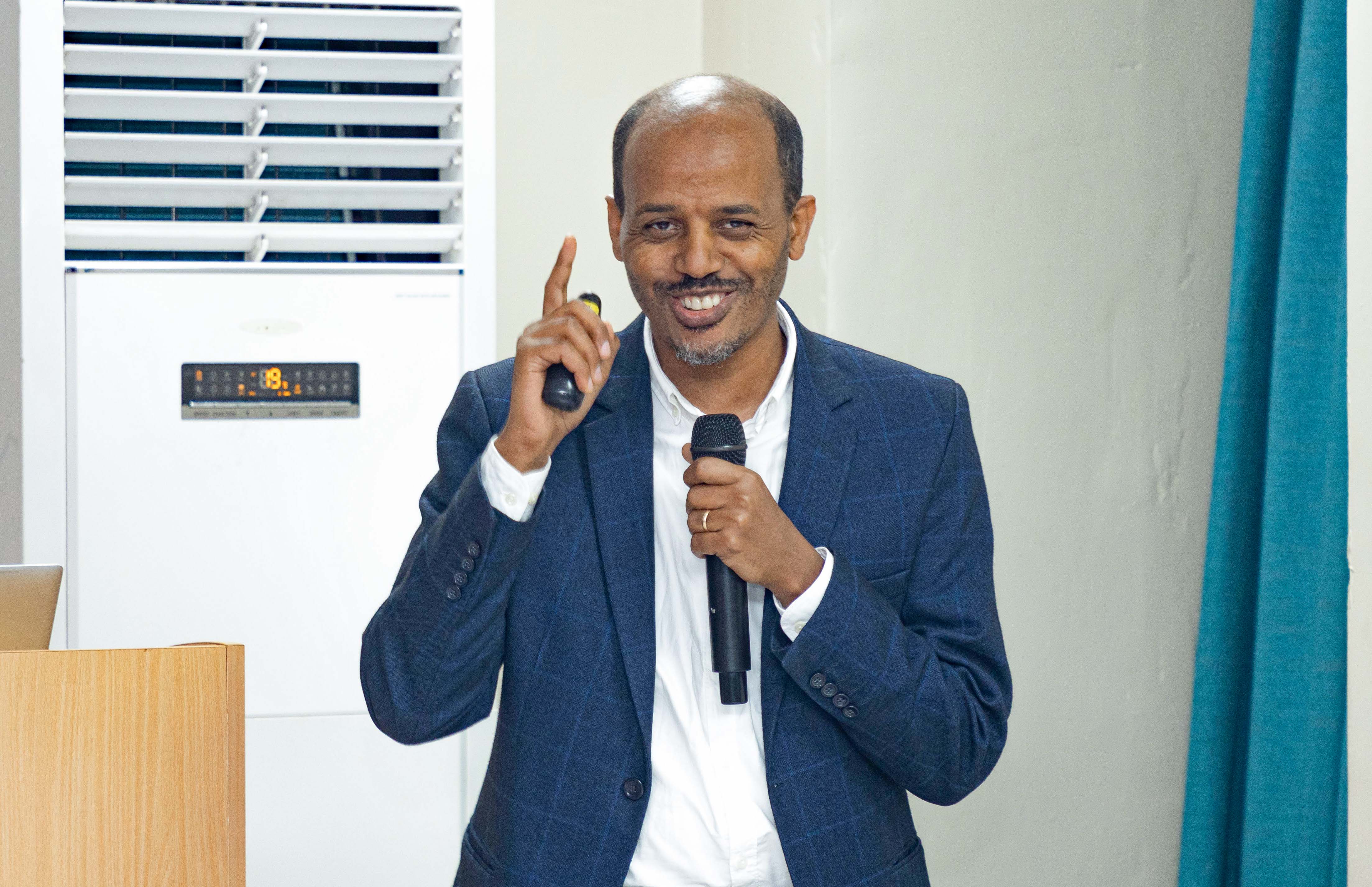
Sharing Ethiopia’s experience, Dr Endale Amare said the country began developing its national food composition database in December 2025. He said such databases could support nutrition programmes, dietary guidance, food standards and food labelling.
“The development of a food composition database requires a systematic process, from assessing laboratory capacity and identifying gaps to selecting priority foods and collecting representative samples,” he said.
Dr Amare said Ethiopia’s approach also included developing recipe databases to reflect the diversity of foods consumed and their preparation methods.
Story: Eunice Asare


